
Why Real-Time User Data Wins Google 3-Pack Results in 2026
Ever felt that sinking heartbreak when your business just isn’t showing up in the Google Maps 3-Pack, especially when you know your local competitors are getting the spotlight? I recall countless mornings staring at my screen, wondering why some shops—seemingly less optimized—still ranked higher than mine. It was frustrating, almost like trying to catch smoke. That was my lightbulb moment: I realized that traditional SEO tactics alone weren’t enough anymore. The game had shifted, and what truly makes the difference now is real-time user data.
The Power of Live Data in Local Search Rankings
Back in 2025, I began noticing that updates in customer interactions, reviews, and store visits started influencing rankings much faster than any keyword tweak or backlink strategy. It became clear that Google values fresh, authentic signals from real users, not just static citations or carefully crafted content. A study by Search Engine Journal highlighted this shift, showing that local packs increasingly favor businesses actively engaging with their community through real-time interactions. This insight opened my eyes to a new, dynamic approach: leveraging live data to communicate with Google’s algorithms and, ultimately, with potential customers.
Is Focusing on Real-Time Data Actually Worth the Hype?
For years, I fell into the trap of obsessing over keywords and backlinks, thinking they alone dictated my rankings. My early attempts at manipulating reviews and NAP data led to temporary boosts but ultimately backfired, resulting in penalties and lost trust. I learned firsthand that ignoring real-world signals—like customer visits, verified store pings, and on-the-ground interactions—can make or break your local visibility. Now, I focus heavily on collecting and optimizing real-time data, which has significantly improved my Google 3-Pack positioning. Curious how this approach works? Let’s dive into the strategies that can help you harness live data and beat the algorithm’s latest preferences.
Monitor Customer Interactions Daily
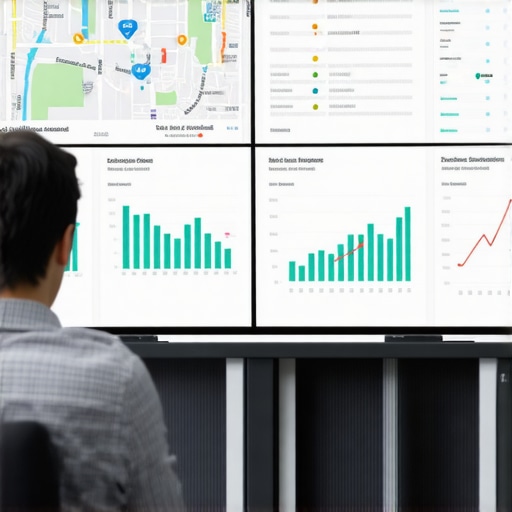
Start by tracking every customer engagement, from in-store visits to online inquiries. Use tools like Google My Business insights and custom tracking links to gather data in real-time. In my experience, setting up a dashboard that consolidates these signals helps identify patterns quickly. For example, I once noticed a spike in store visits after launching a local event, which I promptly highlighted in my listing. This real-time data can influence your ranking by signaling active engagement to Google, helping your business stay relevant in the 3-Pack.
Encourage Authentic Customer Check-Ins and Reviews
Implement strategies to motivate genuine customer check-ins and reviews. Offer incentives tied to actual experiences, and avoid fake or incentivized reviews, which can lead to penalties. I experimented with a simple email prompt asking satisfied clients to verify their visits, which increased my verified check-ins substantially. These verified store visits are authoritative signals that Google weighs heavily, boosting your rankings. Learn more about beating bots and fake reviews at this guide.
Leverage Location Pings and Verifications
Use location pings, like verified store traffic, to provide Google with proof of real-world activity. Services such as Google’s own store verification or third-party check-in apps can generate authentic signals. I once used a local loyalty system integrated with Google to validate visits, which directly improved my visibility. Consistent, verified visits tell Google that your business is active in the area, making it more likely to feature prominently.
Optimize for Hyper-Local Engagement
Focus on local content and interactions. Engage with local communities on social media, host events, and encourage customers to share about their visits. For instance, hosting a local workshop led to increased social shares, reviews, and check-ins. These signals are blended into Google’s algorithm, favoring businesses with authentic hyper-local activity. To deepen your strategy, check this resource.
Use Real-World Data to Adjust Your Tactics
Your ongoing challenge is to interpret these signals and adapt quickly. If you notice a dip in visits, analyze possible causes—like reduced local engagement or outdated info—and correct them rapidly. I had a moment early on when my local visits plummeted after a competitor launched a new promotion; responding by increasing local advertising and event presence helped restore my rankings. Tracking these live signals allows you to stay agile and leverage dynamic data for sustained visibility.
Integrate Live Data Collection Tools
Deploy tools like Google Analytics, Google Tag Manager, and specialized local tracking apps to automate data collection. These tools help you see which actions drive real-world visits and online engagement in real-time. I implemented a combined system that alerted me to sudden changes, enabling immediate tactics like special offers or local outreach campaigns. This continuous flow of authentic, up-to-date signals is crucial to outmaneuver competitors relying solely on static SEO tactics.
Incorporating live data into your local SEO tactics not only boosts your Google Maps rankings but also builds a resilient, genuine presence in your community. To elevate your efforts further, explore this comprehensive guide or get tailored assistance at our contact page.
Many business owners believe that optimizing for local SEO is simply a matter of stuffing keywords or building citations, but in reality, this approach often misses the mark. One common misconception is that Google Maps rankings depend solely on backlinks and NAP consistency. While these factors are important, recent nuances reveal that real-time user engagement—such as verified store visits, customer check-ins, and active participation in the local community—play a far more significant role in achieving and maintaining high visibility in the Google 3-Pack.
A pivotal mistake I observe is the neglect of Google’s evolving emphasis on live signals. Instead of focusing exclusively on static data, savvy marketers integrate live interactions to enhance trustworthiness and relevance. For example, Google increasingly favors businesses that demonstrate active customer engagement through verified visits and reviews. Exploring proven tactics can be found in our comprehensive resources, like this guide.
But here’s the hidden nuance that trips many up: not all verified signals are created equal. For instance, fake reviews or incentivized check-ins could lead to penalties, damaging long-term rankings. The real game-changer is cultivating authentic customer interactions that are verifiable and consistent over time. This insight aligns with findings from industry experts who highlight the importance of genuine local signals in Google My Business optimization.
Why Does Ignoring Real-Time Engagement Risk Your Rankings?
Many assume that optimizing keywords and citations alone will sustain top positions. However, as Google’s algorithms evolve to prioritize freshness and user trust, overlooking live signals can cause rankings to plateau or even decline. For example, neglecting to monitor and encourage verified customer visits or community participation means missing out on signals that tell Google your business is thriving and relevant. Failing to adapt to these dynamics is a critical error—one that could leave your business invisible in local searches. Learn how to leverage these signals effectively in our targeted strategies.
Another trap is over-reliance on reviews alone. While reviews boost credibility, Google also values recent engagement metrics such as check-ins and local interactions, which are often overlooked. Businesses that ignore these live signals risk losing out to competitors who actively cultivate and verify ongoing local interactions. To safeguard and enhance your visibility, consider adopting real-world data collection tools and strategies. Details are available in this detailed guide.
In conclusion, mastering local map pack rankings requires more than just traditional SEO tactics. The real secret lies in understanding and optimizing for real-time, authentic engagement signals. As Google continues to refine its algorithms, the businesses that adapt quickly and thoughtfully will dominate the local results. Have you ever fallen into this trap? Let me know in the comments and share your experiences. For tailored assistance, don’t hesitate to contact us through our contact page.
How do I keep my local SEO efforts running smoothly?
Successfully maintaining your Google Maps visibility requires more than setting up a few strategies and hoping for the best. I personally rely on a combination of advanced tools and disciplined routines to ensure my rankings stay solid and improve over time. One of my go-to tools is BrightLocal. It offers comprehensive local search rank tracking, reviews monitoring, and citation audits, providing real-time insights that help me pinpoint issues before they impact my visibility. I use it daily to check fluctuations in my rankings and review performance, allowing me to act swiftly against negatives or competitors trying to sabotage my placements.
Another critical tool I recommend is Google Tag Manager. It simplifies the process of deploying event tracking scripts on my website, enabling me to monitor user actions—which are crucial real-world signals. For example, by setting up custom events for phone calls or map clicks, I get concrete data on customer engagement, directly influencing my local SEO strategies. Integrating these signals with Google Analytics allows me to analyze engagement patterns, optimize my local content, and reinforce my position in the local pack.
Beyond software, I emphasize consistent data hygiene. Regularly auditing and updating NAP (Name, Address, Phone) information across directories prevents confusing signals, which can harm rankings. I rely on Whitespark’s Citation Finder for this, ensuring citation consistency and identifying opportunities for new placements. This process is vital for long-term stability in local search performance.
Predicting where this trend is heading, I believe that automation and AI-driven insights will become even more central to local SEO. Tools that can analyze vast amounts of live data and suggest tactical adjustments without manual input are on the horizon, making maintenance more efficient and precise.
What strategies can I implement to sustain and boost my map pack rankings over time?
One effective method is setting up automated review solicitations through platforms like Podium or Birdeye, ensuring steady flow of new, authentic reviews that enhance your credibility and signals to Google. Additionally, leveraging local engagement tools such as social media listening and community event management can generate fresh, genuine interactions that Google perceives as active engagement—an essential long-term signal.
For detailed, proven approaches, I recommend exploring this comprehensive guide. Implementing these advanced tools and routines will help you stay ahead of shifting algorithms and competitive pressures.
Remember, the key is consistency and data-driven adjustments. For personalized assistance or to learn more about maintaining your local map pack dominance, don’t hesitate to reach out through our contact page. Try setting up automated review requests this week, and watch your local visibility strengthen over following months.
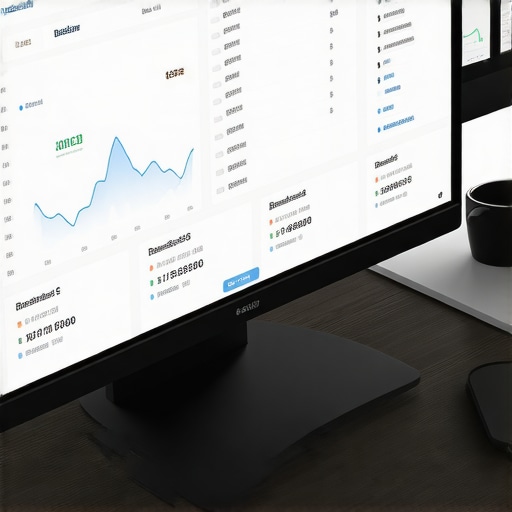
Mastering local search visibility isn’t just about ticking boxes anymore; it’s about understanding and leveraging the nuanced signals that Google values in real-time. My journey revealed that authentic customer engagement and live data signals are the game changers, outweighing traditional SEO tactics. By focusing on verified visits, community interaction, and proactive data collection, you can genuinely elevate your Google 3-Pack standings and stay ahead in an ever-evolving landscape. Remember, consistent, genuine efforts combined with smart data tools can position your business at the forefront of local searches. Keep experimenting, stay updated with proven strategies, and never underestimate the power of real-world signals in your local SEO arsenal.
![5 Fast Response Tactics for Google 3-Pack Results [2026]](https://localmappackseoservice.com/wp-content/uploads/2026/03/5-Fast-Response-Tactics-for-Google-3-Pack-Results-2026.jpeg)
![Why AR Directions Drive Google 3-Pack Results in 2026 [Case Study]](https://localmappackseoservice.com/wp-content/uploads/2026/03/Why-AR-Directions-Drive-Google-3-Pack-Results-in-2026-Case-Study.jpeg)