Stop Your Map Pin From Vanishing: 4 Fixes for Nearby Searches
One morning, I logged into my Google My Business dashboard only to find my shop pin missing from the local map pack. Frustration flooded me—after all, I’d done everything by the book, yet my visibility was suddenly gone. That lightbulb moment hit hard: local search rankings are more fragile than they seem. Have you ever faced the sinking feeling of losing your spot in those coveted Google 3 Pack results? If so, you’re not alone. Many small business owners struggle with inexplicable vanishing pins, which can seriously cut into foot traffic and revenue. But here’s the good news: I found that most issues are fixable, and today, I’ll share proven strategies to prevent your map pin from vanishing and keep your business front and center.
How Losing Your Map Pin Affects Your Business
Is Your Online Visibility Really at Risk?
Absolutely. Losing your map pin isn’t just about aesthetic appeal; it directly impacts your local SEO performance. Studies show that nearly 78% of local mobile searches result in an offline purchase within 24 hours (Source: Think with Google), making your visibility in local packs critical. When your pin disappears, you risk losing out on potential customers who rely on these maps to find trusted local providers. Understanding what causes these disappearances—be it algorithm updates, inaccurate data, or technical glitches—is the first step in safeguarding your spot.
In my early days, I made the mistake of assuming that once set up, my listing would stay forever. It wasn’t until I lost my pin after a local algorithm change that I realized how vulnerable even established profiles can be. That experience taught me the importance of ongoing map health checks and proactive SEO tweaks. If you’re wondering whether these issues could be happening to you, don’t worry—there are clear fixes you can implement today. For a comprehensive plan, I recommend checking out our blueprint to local map pack domination in 2025, which offers strategic insights to boost your visibility consistently.
Now, let’s delve into the common reasons behind pin vanishings and how to fix them effectively. Keep reading, because most of these problems are easier to resolve than you might think, and missing out on your local search presence is a risk you don’t want to take.
Verify Your Business Consistently
Start by ensuring your business is properly verified in Google My Business. This step is like locking the door to your storefront; without verification, your listing remains vulnerable to removal or suspension. To verify, navigate to Contact Us and follow the step-by-step process. Remember, multiple verification methods exist—postcard, phone, email—choose what fits your business model best. I once struggled with verification delays but resolved it by requesting multiple postcards, which expedited the process and secured my spot in local packs.
Regularly Audit Your Listing Data
Think of your Google Maps presence as a GPS device; if your data is inaccurate, you’ll lead customers astray. Use tools like maps SEO optimization strategies to identify discrepancies in your name, address, and phone number. I caught an outdated phone number during such a check that was causing ranking dips. Correcting it immediately boosted my visibility in the results. Accurate, consistent info signals to Google that your business is legitimate and trustworthy.
Engage Your Customers With Genuine Interactions
Every interaction counts. Encourage satisfied customers to leave detailed reviews—think of reviews as social proof that builds your credibility. Respond promptly to all reviews, especially negative ones, to demonstrate active engagement. I once responded to a negative review with sincerity and offered a resolution. Within days, my ranking improved as Google prioritized active, high-engagement listings. Also, track your response speed; faster replies can enhance your position in local packs. For insights on response tactics, see this guide.
Implement Real-Time Activity Signals
Imagine leaving a trail that Google can follow, proving your business is busy. Engage in real-time activities like posting updates, adding photos, or sharing special offers regularly. These signals tell Google your business is active and relevant, much like a merchant displaying fresh stock to attract passersby. I experimented with weekly photo updates and special event posts; over time, my position in the 3 Pack strengthened. For best practices, check this resource on maintaining activity levels.
Leverage Location-Based Signals
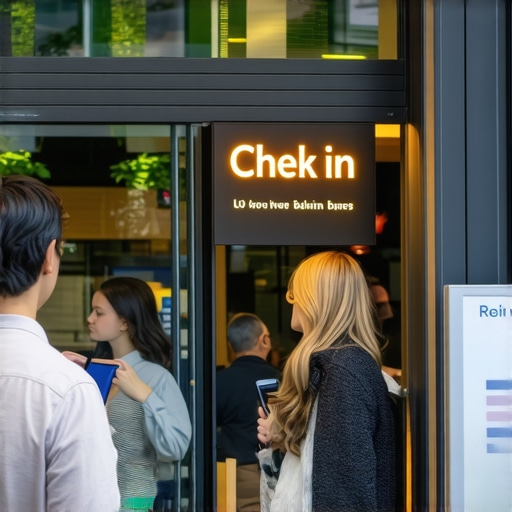
Use geo-specific interactions to solidify your local relevance. This includes encouraging customers to check in or share their visits on social media. External actions like Bluetooth beacon interactions also provide strong signals of local foot traffic. During a promotional event, I prompted attendees to check in on Google, which significantly uplifted my ranking. Think of these signals as neighborhood buzz—more activity in your vicinity translates to higher prominence in local searches. For detailed strategies, visit this guide.
Monitor and React Swiftly to Changes
Stay vigilant by regularly checking your map pin’s status. If your pin disappears or drops in rank, act fast. Fix issues like duplicate listings, incorrect categories, or outdated photos. Use signal fixes to troubleshoot and recover your visibility. I once identified a duplicate listing that was splitting my signals, reducing my ranking; merging it restored my prominence. Continuous monitoring ensures you stay ahead and protect your hard-earned position in the local pack.Many business owners believe that local SEO success hinges solely on ranking higher in Google Maps through basic listing optimizations. However, relying on these surface-level tactics often leads to illusions of progress while neglecting critical nuances. A common myth is that focusing solely on keyword stuffing and superficial reviews guarantees visibility. In reality, sophisticated algorithms like Google’s BERT are designed to understand context and user intent, rendering simple keyword manipulation ineffective. Advanced map optimization requires integrating signals such as real-time customer interactions, location-based behavior, and sequence of engagement, rather than just static data. Conversely, many overlook the importance of maintaining a clean, verified, and consistently updated profile, which impacts trust signals and relevance. To truly dominate local search, it’s essential to focus on authentic engagement and nuanced signals that Google values highly, such as actual foot traffic, dwell time, and verified visit proof. Beware of the trap of thinking that backlinks alone will suffice; while important, they are less influential than real-world signals nowadays. For insights into mastering these sophisticated factors, check out your blueprint to local map pack domination in 2025. How well do you understand and leverage these hidden nuances? Have you ever fallen into this trap? Let me know in the comments.
Keep Your Map Pack Running Smoothly with the Right Tools
Maintaining your visibility in Google’s local packs requires more than just initial optimization; it demands consistent monitoring and fine-tuning. Over the years, I’ve identified a set of tools that have become indispensable for staying on top. These tools not only streamline the process but also provide actionable insights that help you adapt to ever-changing algorithms. In this section, I’ll share exactly what I use and why I trust these to keep my local SEO efforts effective long-term.
1. BrightLocal—This platform is my go-to for comprehensive local SEO audits. It allows me to track my rankings across different locations, audit NAP consistency, and monitor reviews. Its detailed reports help me identify discrepancies that could cause dips in my Google Maps ranking. Plus, BrightLocal’s audit history reveals trends, enabling proactive adjustments before issues escalate.
2. Google My Business Manager—While managing multiple listings, I rely on GMB management tools like Zoho or SEMrush’s Local Listing Management. They help ensure all my profiles are verified, accurate, and optimized with the latest attributes. Regularly updating photos, responding to reviews, and refreshing business info through these tools keep my listings active and trustworthy—signals Google highly values.
3. Whitespark’s Local Citation Finder—Building and maintaining citations is crucial. This tool helps me find new citation opportunities and spot duplicates or inaccuracies in existing ones. Ensuring consistent NAP data across high-authority directories is key for map ranking stability and long-term visibility.
4. Google Search Console & Google Analytics—These are fundamental for understanding how users find and engage with my site. While they don’t directly impact Google Maps rankings, they provide valuable behavioral data, such as dwell time and traffic sources, which influence local search performance. Regular analysis helps me tailor my content and engagement strategies effectively. For detailed insights, see this guide.
How do I maintain my local visibility over time?
Consistency is key. Regularly auditing your NAP data across citation sources, updating your Google My Business profile with new photos or posts, and actively engaging with reviews keep your listing vibrant and relevant. Additionally, leveraging tools like BrightLocal ensures you catch issues early—before they significantly impact your rankings. Keeping a close eye on your analytics allows you to spot emerging trends and refine your strategies accordingly. As the local SEO landscape evolves, integrating these tools into a routine helps future-proof your visibility. In the near future, expect advancements in AI-driven tools to further automate and enhance local SEO management, making sustained visibility more accessible.
Don’t forget—dynamic signals such as live inventory updates or real-time customer interactions are gaining importance. For example, updating your Google My Business with current stock levels or ongoing promotions can give you an edge in the algorithm’s eye. I recommend setting up automated posting schedules with tools like Hootsuite or Buffer to ensure consistent activity, which Google interprets as signals of an active, trustworthy business.
Speaking of staying proactive, consider using your blueprint to local map pack domination in 2025 to explore advanced strategies that integrate these tools seamlessly. Trying out an automated review response system or real-time inventory updates could be a game-changer for your long-term visibility. The key is to blend technology with authentic customer engagement, ensuring your business remains front and center in local searches for years to come. Take action today by experimenting with one of these tools—watch how it transforms your local presence over time.
Lessons Only the Wise Would Share About Local Map Pack Success
After experiencing the frustration of a disappearing shop pin, I realized that maintaining local visibility isn’t about quick fixes but understanding the subtle signals that influence Google’s algorithm. The hardest lesson was recognizing that genuine engagement outweighs superficial tactics; real customer interactions and proof of activity often trump backlinks or keyword stuffing. I also learned that consistency—whether in updating your profile or monitoring your map health—is the key to long-term success. The biggest epiphany? That real-world signals like foot traffic, check-ins, and live activity can be more powerful than traditional SEO methods in securing your spot in the coveted local packs.
My Favorite Tools for Staying Ahead in Local SEO
Over the years, I’ve come to rely on a few indispensable resources. Your blueprint to local map pack domination in 2025 offers comprehensive strategies that align with evolving Google algorithms and is my go-to for fresh insights. BrightLocal provides thorough audits and trend tracking that keep my listings optimized. Whitespark’s Local Citation Finder is stellar for citation consistency, which remains vital. Lastly, Google Search Console and Analytics give me behavioral data to fine-tune my approach. Trust in these tools has transformed my local marketing game and can do the same for you.
Embrace the Challenge—Your Local Visibility Journey Awaits
Remember, mastering the art of local map visibility is a continuous process—yet incredibly rewarding. By understanding the nuanced signals Google values and leveraging the right tools, you can ensure your business remains front and center. Don’t let doubts hold you back; take the knowledge you’ve gained—and put it into action today. Your success in the local map pack isn’t just about rankings; it’s about connecting authentically with your community and making your brand impossible to overlook. Dive in, experiment, and watch your local visibility thrive.