Local SEO Trends 2026 and the Shift Toward Physical Proximity Signals
Local SEO Trends 2026 and the Shift Toward Physical Proximity Signals
The “set it and forget it” era of local SEO is officially dead. If you are still relying on a strategy built around static citations, keyword-stuffed descriptions, and a handful of reviews from three years ago, your business is likely invisible to the modern consumer. As we navigate the landscape of 2026, the Google Map Pack algorithm has undergone its most significant transformation since the Venice update. We have moved beyond the “Address” era and entered the “Physical Footprint” era.
In my research and work with high-level clients at Local Map Pack SEO Service, we’ve observed a definitive pivot. Ranking in the top three is no longer just about where your office is located on paper; it is about proving your business is physically active, relevant, and engaging in real-time. This shift toward physical proximity signals – driven by mobile movement data and AI-verified interactions – is the new baseline for google business profile seo.
The Proximity Pivot: Why Distance is Now Dynamic
For years, the “Proximity” pillar of local SEO was relatively simple: the closer you were to the searcher, the higher you ranked. However, as of 2026, being the “closest” shop no longer guarantees the #1 spot. Google has recognized that a business’s physical address is often a poor proxy for its actual utility to a customer.
What we are seeing on the ground is the rise of “Dynamic Proximity.” Google now utilizes a sophisticated blend of mobile GPS data, Wi-Fi triangulation, and Bluetooth beacons to verify business activity. It isn’t enough to have a lease at a specific coordinate; Google wants to see a “pattern of life” at that location. This is why some businesses find that why being the closest shop still won’t guarantee a top spot on Google Maps. If your competitors are showing higher levels of real-world foot traffic and “pings” from active mobile devices, they will leapfrog you even if they are three miles further away.
This data-driven approach filters out “ghost offices” and virtual spaces that previously gamed the system. To rank google business profile effectively today, you must demonstrate that your physical location is a hub of actual commerce, not just a pin on a map. This is where Mastering Local Map Pack Service becomes a game of proving presence rather than just claiming it.
The Rise of Invisible Interaction Signals
The most profound change in 2026 is the dominance of “Invisible Interaction Signals.” These are behavioral data points that Google collects without the user ever having to leave a review or click a website link. Research from Great Lakes DP indicates that over 60% of local searches now result in a Maps interaction – such as checking hours, requesting directions, or simply lingering on a profile – before a user ever visits a website.
Key Signals to Watch:
- Dwell Time: How long does a customer stay at your physical location? Google uses anonymized “Active Stay” data to determine if your business is a high-authority destination.
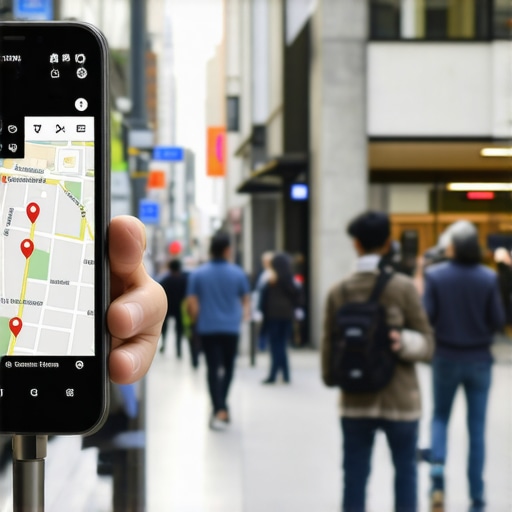
- Driving Direction Requests: This remains a massive signal. However, Google now cross-references the request with the actual completion of the trip. “Ghost directions” (requests that never result in movement) are being discounted.
- Brand Search Frequency: People searching for your business by name specifically within a local radius is a powerful indicator of local authority.
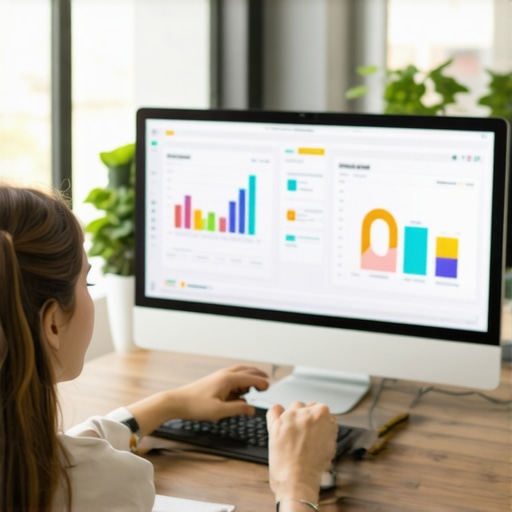
To monitor these shifts, many professionals are turning to advanced local seo tools that can track not just rankings, but the behavioral trends that precede a ranking drop. If your dwell time metrics are falling compared to the local average, your local map pack seo will suffer long before you see a drop in your traditional SEO dashboard.
Actionable Tip: Instead of obsessing over keyword density in your “From the Business” section, focus on high-resolution, recent store photos and maintaining a 100% response rate to messages. Google’s AI now interprets “Responsiveness” as a proxy for physical availability.
Advanced Google Business Profile Optimization in 2026
In 2026, google business profile optimization has moved past the basics of NAP (Name, Address, Phone) consistency. While NAP still matters for foundational trust, the algorithm now prioritizes “Attribute Proof.”
Google’s 2026 AI updates are designed to filter out “fake” check-ins and prioritize verified store pings. This means that if you claim to have “Wheelchair accessible seating” or “Outdoor dining,” the AI looks for visual confirmation in user-uploaded photos and mentions in recent reviews to validate those attributes. If the “Physical Evidence” doesn’t match the digital claim, your profile’s reach is throttled.
Another critical factor is photo recency. In the past, you could upload 50 photos and be done for the year. Now, the algorithm favors profiles with a “Freshness Loop.” Regularly updated photos – especially those with metadata indicating they were taken at the business location – serve as a “Physical Proximity Signal” that the business is open and thriving. For a deeper dive, see our guide on how to Fix Your Attributes: 6 Google My Business Optimization Tips for 2026.
To stay ahead, utilize a google maps rank tracker that provides insights into how your profile performs across different times of the day, as proximity signals often fluctuate based on real-world traffic patterns.
The AI Filter & Fighting Map Pack Spam
Google’s war on Map Pack spam reached a fever pitch in late 2025. The AI filter now uses computer vision to analyze storefront photos. If your “office” is a UPS store, a residential home (for a non-SAB), or a coworking space without permanent signage, the AI is likely to flag you as a “ghost location.”
The consolidation of Local Service Ads (LSA) reviews into the main Business Profile management in July 2025 was a precursor to this. Google now views your “Trust Score” as a unified metric across all its platforms. To combat spam, Google is increasingly demanding “Physical Evidence” of existence, such as interior 360-degree views and verified video walkthroughs of the premises.
For businesses looking to scale without falling into the spam trap, using professional google maps seo tools is essential. These tools help ensure that your data is clean and that your proximity signals are being interpreted correctly by the algorithm. The goal is to build a “moat” of real-world activity that a spammer simply cannot replicate with bots or fake reviews.
Industry-Specific Proximity Tactics
The way proximity signals are weighted varies significantly by industry. What works for a coffee shop will not work for a personal injury attorney.
Service Area Businesses (SABs)
Plumbers, roofers, and HVAC contractors face a unique challenge: they don’t want customers coming to their home office, yet they need to prove proximity to their service areas. In 2026, Google tracks the mobile devices of the technicians themselves. If your “office” is in one town but your trucks are never seen moving through the service areas you claim, your rankings will tank. This is a common reason why the specific reasons your roofing business is stuck outside the Google 3-pack often come down to a lack of “Service Proximity Proof.” You must learn how service area businesses prove proximity through real-time job check-ins and localized content.
Medical & Legal
For high-trust industries, proximity is weighted alongside “Trust Signals.” Google looks for verified patient or client “pings” at the office. If a law firm has 500 reviews but GPS data shows that only 5 people visit the office per month, the AI identifies a disconnect. Proving “Physical Authority” in these sectors requires a mix of verified appointments and local community engagement signals.
To maintain a competitive edge, businesses in these niches should invest in a professional google maps ranking service that understands the nuance of industry-specific signals.
Conclusion & The 2026 Local SEO Checklist
The shift toward physical proximity signals represents a maturation of the local search ecosystem. Google is no longer satisfied with what you *say* about your business; it now cares deeply about what it can *observe* about your business through the lens of billions of mobile devices and AI analysis.
As we move through 2026, your google business profile seo strategy must prioritize real-world activity. Static optimization is the floor; dynamic interaction is the ceiling. To ensure your business remains at the top of the Map Pack, follow this checklist:
- Audit your Physical Footprint: Ensure your GPS pings and store traffic align with your claimed category and attributes.
- Update Visuals Weekly: Use high-res, geo-tagged photos to provide “Physical Evidence” of your activity.
- Monitor Interaction Signals: Track dwell time and driving direction completion rates.
- Verify SAB Activity: If you are a service-based business, ensure your technicians are “checking in” via the GBP app at job sites.
- Leverage Automation: Use google business profile seo tools to manage your reputation and monitor ranking fluctuations in real-time.
The future of local search belongs to the businesses that are most present in the physical world. By aligning your digital strategy with these physical signals, you can rank higher on google maps and secure your place in the 2026 local economy.